

User paths built around decisions
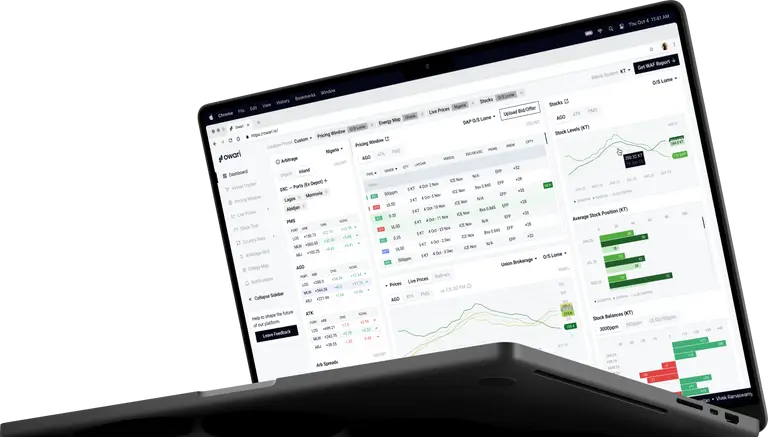
We focus on how people move, compare, complete, and return inside the product. That gives the experience clearer logic and reduces friction where it matters most.

We shape user experience around what people need to understand, decide, and do so the product is easier to follow and more effective once it is live.
UX design helps define the path before the surface is refined. That means looking at information structure, user goals, friction points, and the logic of how people move through the experience.
When the flow is stronger, the interface becomes easier to design, easier to build, and more likely to support the business goal instead of creating confusion around it.
We apply UX thinking across industries where users need clearer paths, fewer errors, and more confidence to complete the actions the product depends on.
UX systems that make products easier to navigate, understand, and act on. Built to reduce friction, improve completion rates, and support stronger product growth.
We structure UX work around behavior, information clarity, and decision-making. The result is a product experience that feels easier to use and easier for teams to improve over time.
Clear answers on user flows, structure, and the early design decisions that shape the product experience. If you need specifics, get in touch.
UX work can include flow mapping, information structure, content logic, wireframes, and the decisions that define how the experience should work before visual design is finalized.
Yes. We can review the current experience, identify friction points, and redesign the user path where the product is losing clarity or momentum.
Yes. Wireframes are useful when the structure needs to be tested and clarified before time is spent polishing the interface.
When users understand where to go and why it matters, they move with more confidence. That typically supports stronger engagement, better completion, and less drop-off.
No. Even smaller sites, landing pages, and focused digital tools benefit from clearer structure and a stronger decision path.
Have an idea for a website, app, or platform? Let's talk through the next step and shape the work around what the business actually needs.
We'll reply within 24 hours so you know whether the project is a fit and what the next step looks like.
After the first conversation, you'll have a clearer view of scope, timing, and the right way to move the work forward.