
Blog
Local Service Landing Page Structure That Converts
 Ed Romero
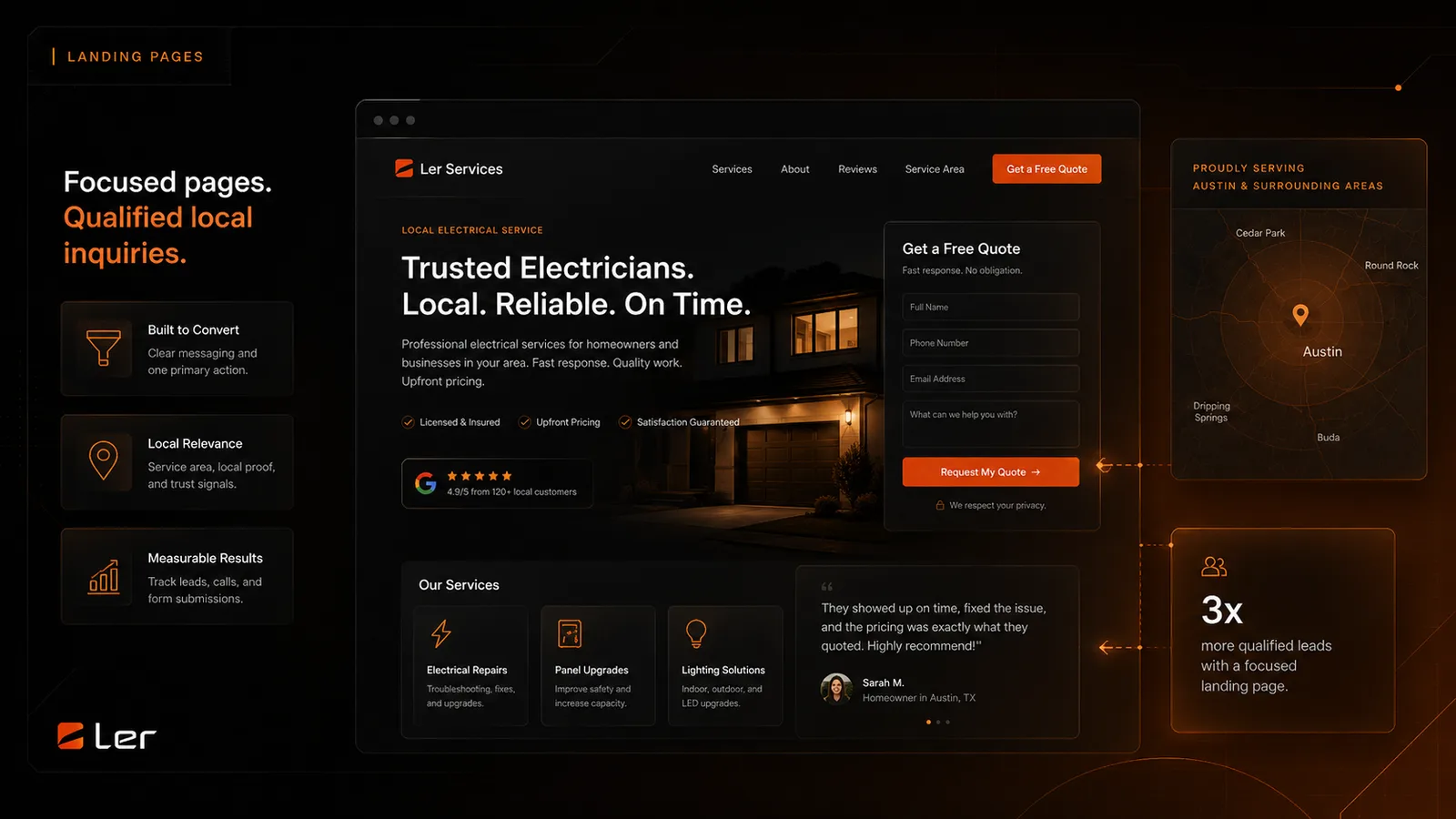
A local service landing page should do more than mention a city and show a form. It needs to make the service clear, prove the business is credible, and guide the visitor toward the right next step.
Lead with the service and location
The top of the page should make the offer obvious. Say what service is being provided, who it is for, and where the business serves customers.
Avoid vague headlines that could fit any company. Local visitors are usually trying to confirm fit quickly before they call, book, or request an estimate.
Explain what is included
Service pages convert better when they answer practical questions. Explain what the service includes, what problems it solves, what the process looks like, and what the visitor should expect.
This does not need to be long for the sake of length. It needs to remove uncertainty and help qualified visitors feel like they are in the right place.
Place proof near the claim
If you say the work is premium, reliable, fast, careful, or specialized, support that claim nearby. Use project examples, client logos, credentials, process details, reviews, or before-and-after context when available.
Proof works best when it is close to the message it supports. Do not make visitors hunt for trust signals at the bottom of the page.
Make the next step specific
A local landing page should not only say contact us. It should explain what happens next: request a quote, schedule a consultation, send project details, book an appointment, or get a focused audit.
The call to action should match the visitor's readiness. Some people are ready to call. Others need a form that helps them describe the job without friction.
Use real location signals
Location signals should be honest. Mention the service area, neighborhoods, city, region, and local context only when they are accurate for the business.
Search engines and people both respond better to pages that sound specific because they are specific, not because a city name was repeated too many times.
Connect the page to the rest of the site
A landing page should link to relevant services, case studies, FAQs, contact paths, and resources. Internal links help visitors keep moving and help search engines understand the page's role.
The page should feel like part of a real website, not a disconnected ad page with no context.
Read what’s next

SEO Checklist Before Launching a Redesigned Website
A pre-launch SEO checklist for redesigned websites covering redirects, metadata, content, analytics, speed, and search visibility.

Website Redesign Cost Factors for Established Businesses
A plain-English breakdown of the factors that change website redesign scope, complexity, and timeline without publishing private project pricing.

What to Prepare Before a Website Growth Audit
What to gather before a website audit so the recommendations are sharper and easier to act on.

Why Your Contact Form Is Not Enough
Why better intake, routing, confirmation, and follow-up matter after the form submission.
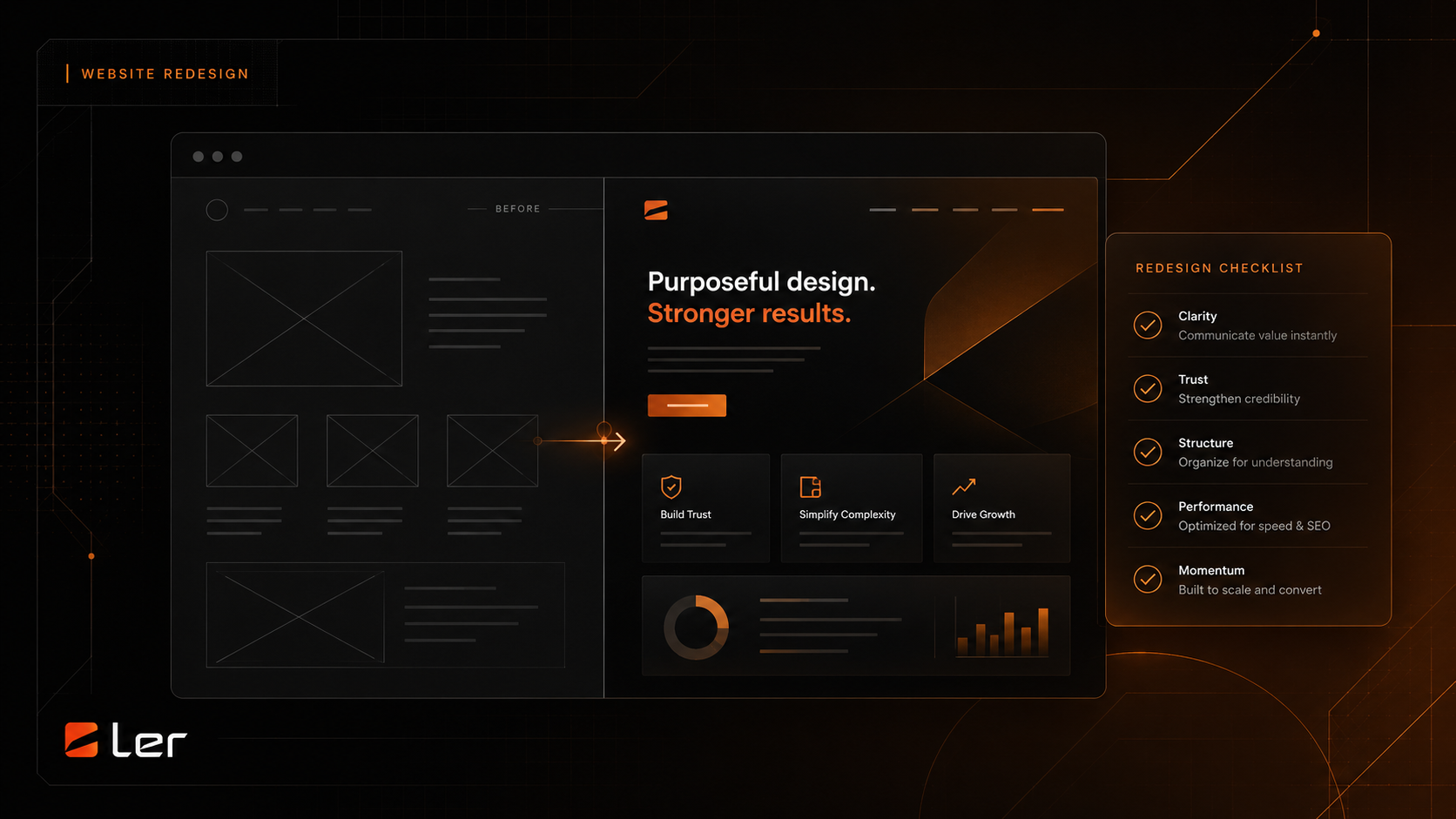
Website Redesign Checklist for Established Businesses
A practical checklist for redesigning a website without losing clarity, trust, or momentum.
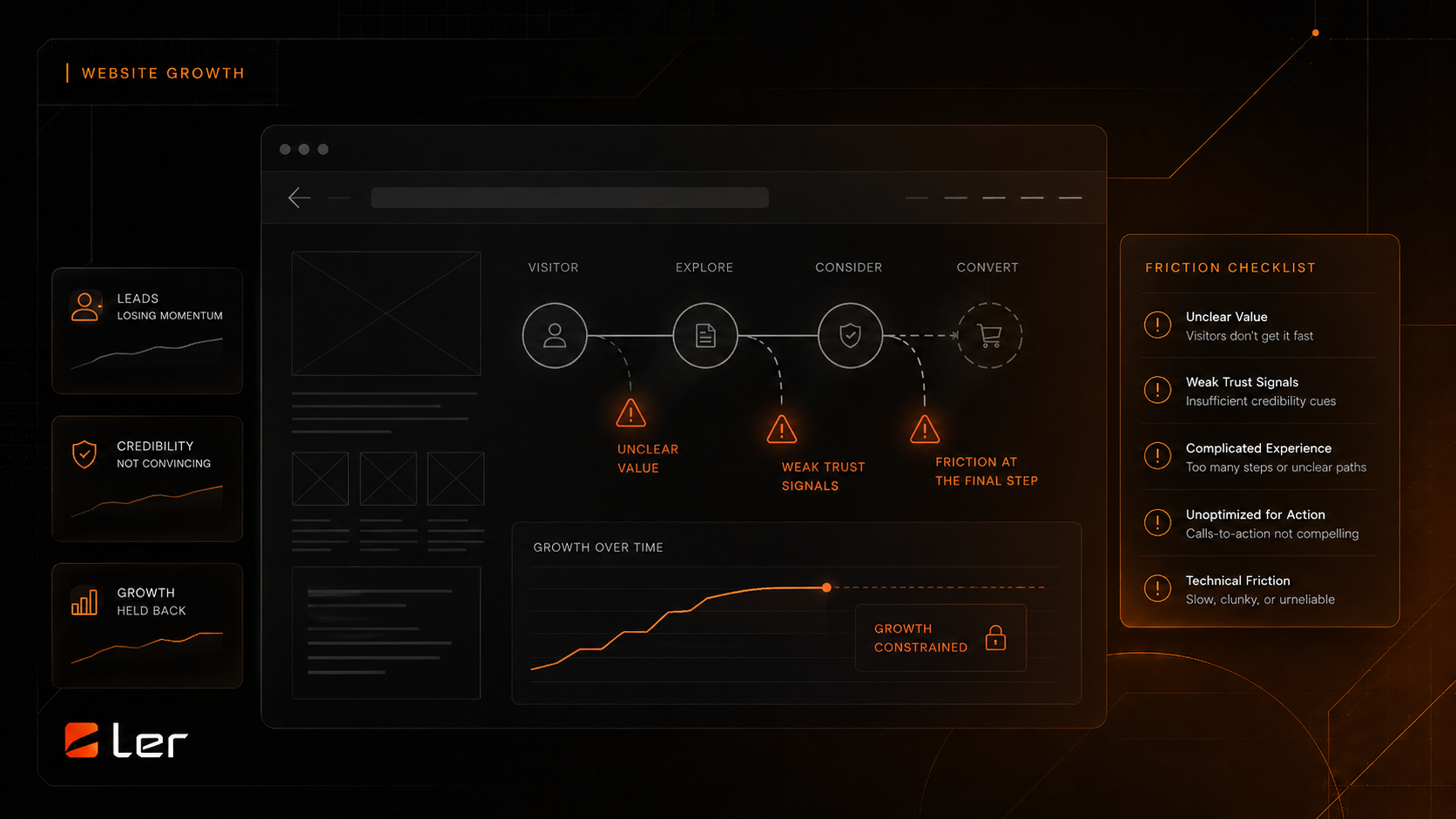
How to Know When Your Website Is Holding Back Growth
Signs that the website is creating friction for leads, credibility, and growth.