
Blog
Why Local Service Businesses Need Better Landing Pages
 Ed Romero

Why dedicated landing pages help local service brands earn more qualified inquiries.
A homepage is not always specific enough
Local service businesses often send paid traffic, social traffic, and referral traffic to the homepage. That can work, but it also forces every visitor through the same broad message.
A landing page can focus on one service, location, campaign, or problem. That focus makes the page easier to write, easier to measure, and easier for the visitor to act on.
Specific pages create better lead quality
A strong service landing page can qualify visitors before they contact you. It can explain the service, show proof, answer common questions, set expectations, and clarify who the service is for.
Better qualification matters. A smaller number of clear, relevant inquiries is usually more valuable than a larger number of vague leads that require extra follow-up.
Trust has to appear before the form
Local buyers need to know the company is real, capable, responsive, and relevant to their area. Use project photos, reviews, service-area context, process details, and direct contact options before asking for the form submit.
The form should feel like a next step, not a gamble. Ask for enough information to respond well, but do not make the first contact feel like a full application.
Each campaign needs its own measurement
Dedicated landing pages make it easier to judge whether ads, SEO, partnerships, or seasonal campaigns are working. The page can track form fills, calls, booking clicks, and source quality more cleanly.
If a campaign is expensive, it deserves a page built for that campaign. Otherwise the business is paying for traffic and hoping the general website can sort it out.
How to apply this to your site
Choose one important page and review it through the visitor's lens. Ask what the visitor needs to understand, believe, and do before they are ready for the next step.
Then look for the first point of friction: vague copy, weak proof, slow loading, too many choices, missing service details, unclear pricing signals, or a call to action that does not match intent.
What LER looks for in a review
I look at message clarity, page structure, proof placement, mobile behavior, conversion paths, speed, maintenance risk, and whether the website matches the real maturity of the business.
The best recommendations are prioritized. A website rarely needs every possible improvement at once; it needs the next right improvement in the right order.
Read what’s next

SEO Checklist Before Launching a Redesigned Website
A pre-launch SEO checklist for redesigned websites covering redirects, metadata, content, analytics, speed, and search visibility.

Website Redesign Cost Factors for Established Businesses
A plain-English breakdown of the factors that change website redesign scope, complexity, and timeline without publishing private project pricing.
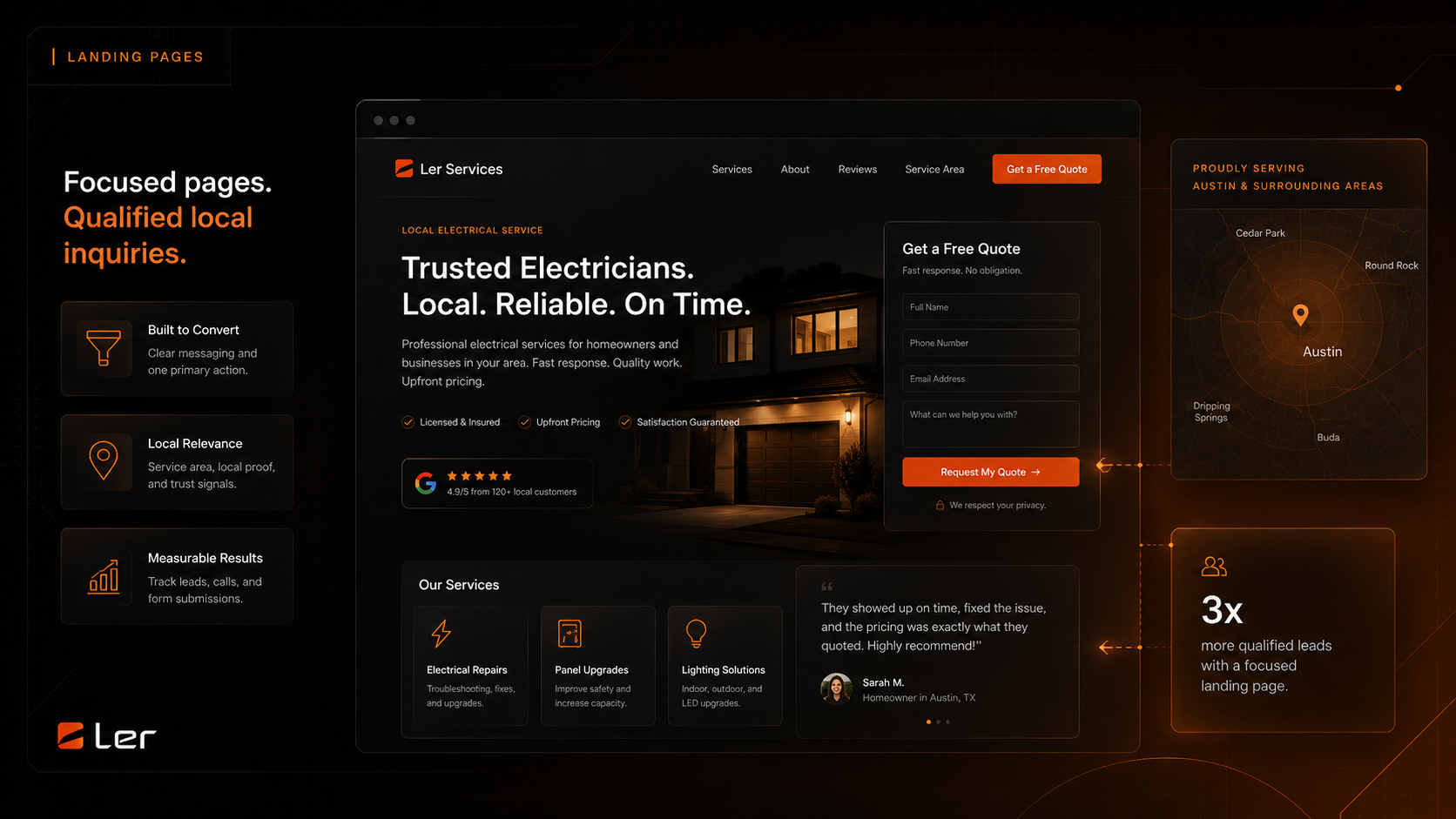
Local Service Landing Page Structure That Converts
A practical structure for local service landing pages that need clearer offers, stronger proof, better location signals, and more qualified inquiries.

What to Prepare Before a Website Growth Audit
What to gather before a website audit so the recommendations are sharper and easier to act on.

Why Your Contact Form Is Not Enough
Why better intake, routing, confirmation, and follow-up matter after the form submission.
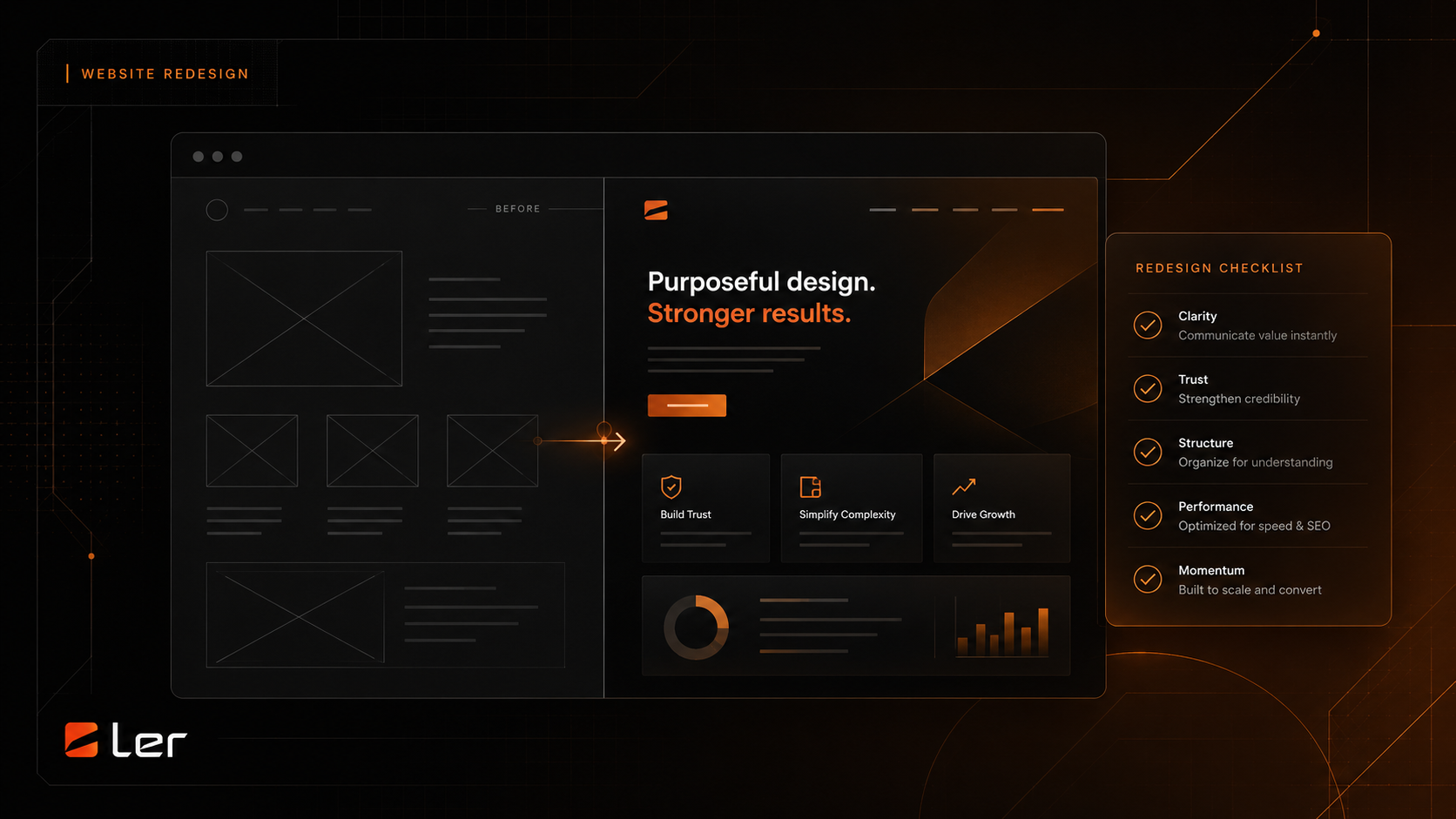
Website Redesign Checklist for Established Businesses
A practical checklist for redesigning a website without losing clarity, trust, or momentum.